Red, Yellow, Black and White - Political correctness gone mad
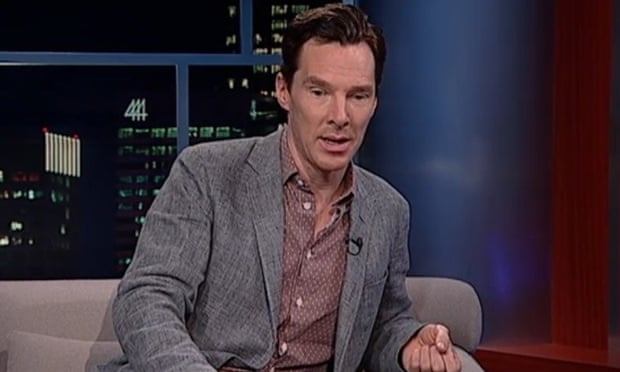
Benedict Cumberbatch recently made a mistake on the Tavis Smiley Show when he used the term "coloured" to refer to Black people. (By the way, I feel comfortable using the term "Black" myself, as I am Black.) His intention was to make a valid point, but the backlash was swift and severe. The point he was trying to make was drowned out by a wave of political correctness. I read about it in the news yesterday, and I couldn’t help but feel that the uproar overshadowed the real issue. Yes, he used the term "coloured," which many would consider outdated, but I began to wonder: What would have been the "politically correct" term to use, especially when trying to address a diverse group of ethnic minorities in the West?
We can't be called "nigger," as it is extremely derogatory (and only Black people can reclaim that word, it seems).
We can't be called "Black," because we’re not really "black" in the literal sense.
We can't be called "coloured," since it’s considered outdated, and, by the way, white is also a colour.
We can't be called "African American," because not all of us live in the USA.
So what is someone supposed to say on national television that won’t offend anyone, anywhere? "People of Colour"? That’s a bit of a mouthful, and does it mean white is no longer officially a colour?
This brings me to the larger question: Why is the label we use so important in the ongoing race debate? White people are referred to as "Caucasians," so why is it so difficult to define other races? Why does referring to the Black race seem to cause so much distress? Is it because we feel inferior, or do we think that the way we’re labelled is somehow patronizing? Perhaps there’s an underlying motive to belittle us through these labels. But here's the thing: the President of the United States is Black, with a Black wife and children. Get over it. Prejudice isn’t about what we’re called.
"Negro" is simply the Latin word for Black, historically used to describe the skin tones of Black people. No one is truly jet black—though people from places like South Sudan, Uganda, Mali, and The Gambia come pretty close. Black is beautiful. When something is dark and still radiates beauty, that thing is truly beautiful. The media may try to define beauty based on its own narrow standards, but those ideas are breaking down. There are no fixed rules for beauty, and when you know and believe you’re beautiful, you truly are. The media is not the ultimate arbiter of our worth.
Secondly, is being called "Black" synonymous with being uneducated or underachieving? Absolutely not. Anyone who thinks this is seriously misguided. Many ground-breaking inventions and cures that are used in households across the world were developed by people from the so-called Black race. In the Song of Solomon, the maiden warns other women not to judge her based on her dark skin because she had been working in the sun. Historically, lighter skin was a sign of wealth—because those who worked in the fields tended to have darker skin. But what's wrong with working in the fields? It keeps you fit and healthy and less prone to the colds and flu that come with too much indulgence. Plus, being tanned today is often seen as a sign of affluence and leisure—people of lighter skin often seek that sun-kissed look to give the impression that they can afford exotic vacations.
This shows how much public opinion changes with time. You should never base your self-worth on the fleeting standards of popular culture. Confidence in who you are is what makes you attractive, no matter your skin tone.
Sadly, millions of people around the world still face discrimination based on their darker skin tones. It’s a tragedy that, in the 21st century, this is still happening. On a side note, when will we see a Black Spider-Man or Superman, or other superhero roles filled by people of colour? It was refreshing to see Will Smith as the saviour of mankind in Independence Day. Children of colour need to see more such roles played by people who look like them, so they can develop the same sense of self-belief and respect as their white counterparts. Heroes come in all races, and this should be reflected in our films and media.
This brings me back to Benedict Cumberbatch’s point. He was actually making a valid observation: there is a lack of adequate representation of people of colour in the film industry in the West. However, as usual, when certain groups who see themselves as perpetual victims catch wind of a statement, they often fixate on one word, ignoring the context of the rest. It’s a shame. I stand with you, Mr. Cumberbatch. It’s difficult to navigate the minefield of political correctness, but you’re certainly not an idiot. By the way, I think you’re a fantastic actor.
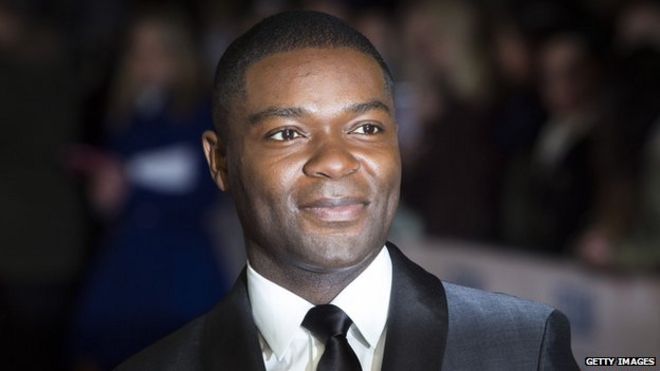
Finally, thank you to David Oyelowo for his thoughts on this matter. Truly, the greatest weapon against prejudice is excellence.
You can read further on this discussion here: BBC Newsbeat Article
%20Means%20rich.%20Neema%20(NEE-mah)%20Means%20born%20in%20prosperity.%20Yoruba%20Afolabi%20(ah-foh-LAH-bee)%20Means%20born%20wealthy%20or%20born%20into%20riches.%20Other%20African%20Languages%20Asanda%20(as-AN-dah).png)


Comments
Post a Comment